

Softness Doesn’t Mean You’re Passive
Why calm, intentional women are still misunderstood—and why that assumption is usually wrong.

Softness is not weakness, and I think a lot of people are still committed to misunderstanding that.
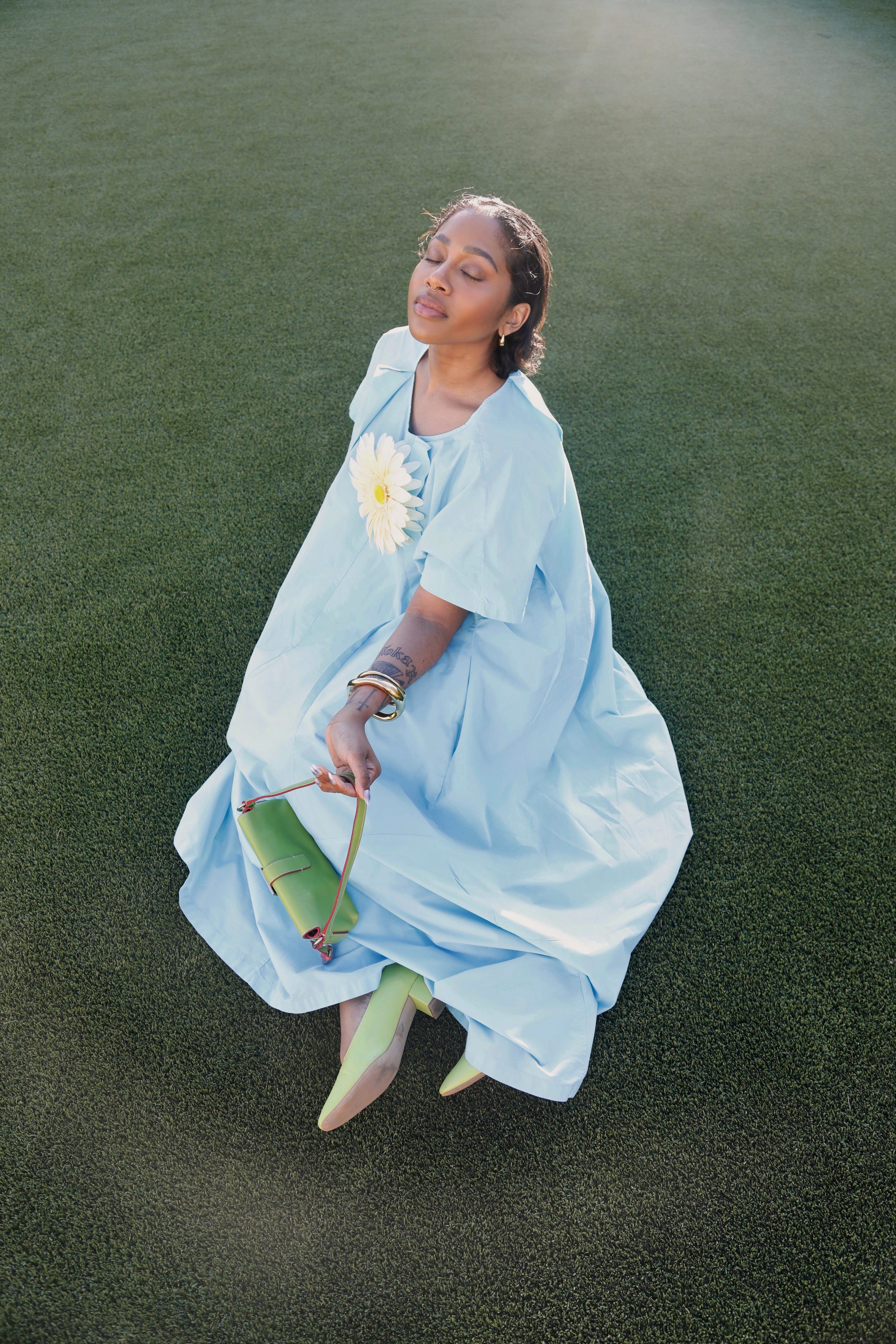
There is something about a person that shows up soft that people rush to interpret before you’ve even said a word, and more often than not, the assumption leans toward you being agreeable, easy to influence, or lacking a certain kind of authority.
I’ve never found that to be true, but I have noticed how comfortable people are making that assumption, especially when a woman doesn’t present herself outwardly as “strong.”
I’ve been thinking about softness more than usual lately, partly because of how I’ve been getting dressed now that it’s warmer outside. The way you show up visually tends to carry a narrative, whether you intend it to or not, and I’ve started to notice how quickly that narrative gets written for you when softness is involved.
Softness carries a kind of authority that doesn’t rely on being the most noticeable thing in the room. It doesn’t need to over-explain itself or assert itself in ways that feel performative. It holds its position without asking to be validated, and that alone unsettles the idea that power has to look a certain way.

Passivity is something else entirely, even if the two are constantly confused. Passivity avoids and allows things to continue even though it should be addressed. It doesn’t come from a place of knowing what you want and choosing how to move accordingly. Passivity is stepping back when you should be stepping forward.
A woman can be calm and still be decisive, she can be gentle in her delivery and still be exact in what she means, she can move without urgency and still be completely in control of where she’s going. None of that requires her to present as being harder in order to be taken seriously, even if that’s what people have come to expect.


And I think that expectation is worth questioning. Especially as a Black woman, where there’s already a set of assumptions waiting for you before you’ve even had the chance to define yourself, and where strength is often interpreted in a specific and narrow way.
This POV also influences how I get dressed. There was a point when clothing felt like a form of explanation, where the goal was to communicate something clear, to make sure I was being read in a way that made sense to whoever was observing me. That instinct doesn’t disappear completely, but it does lose its urgency when you stop needing that kind of confirmation.
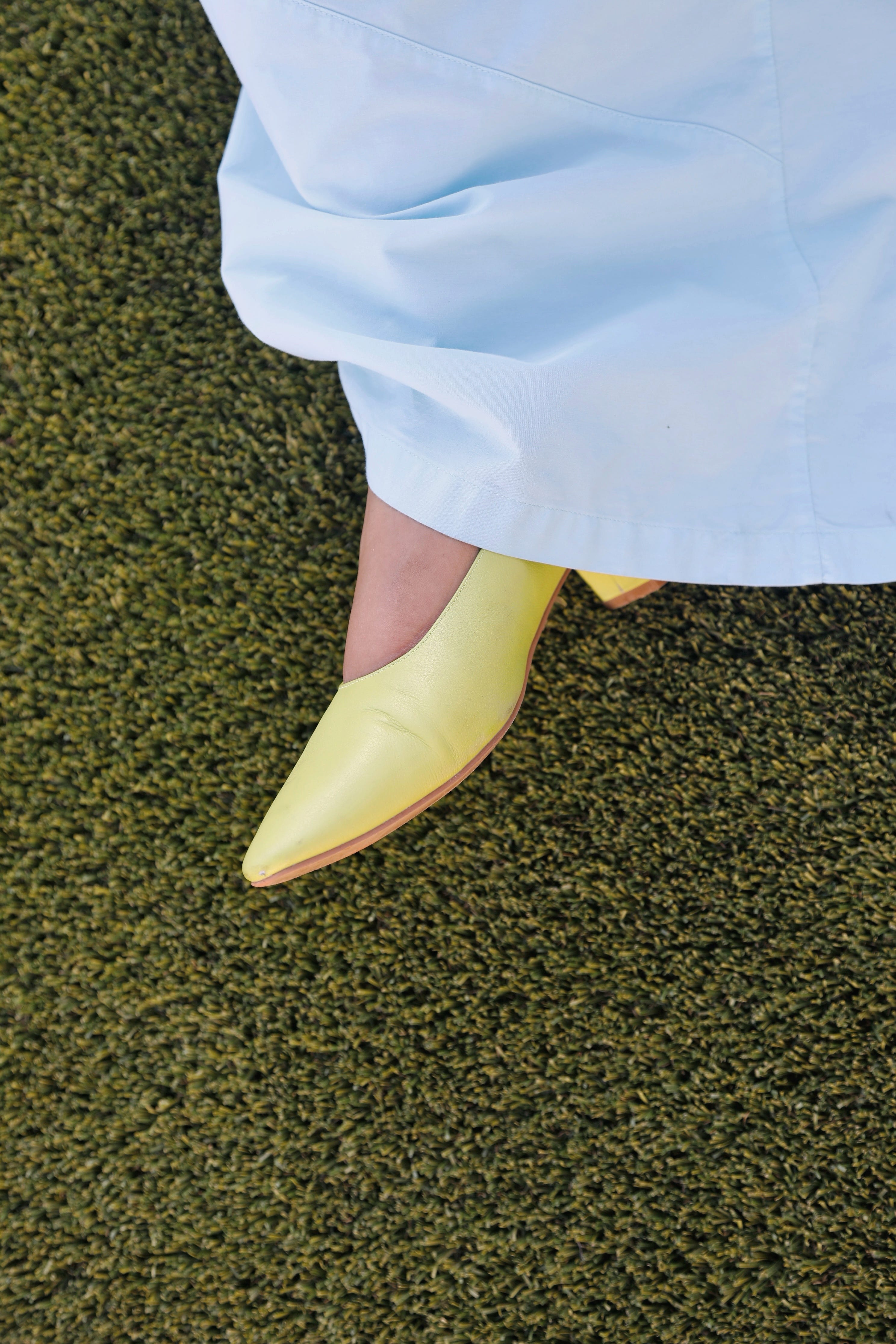
You start choosing pieces based on how they feel to you rather than how they might be interpreted, and that requires more self-assurance.
Softness and passivity may look similar from a distance, but they operate very differently. One is a decision; the other is the absence of one. Once you recognize that difference, it becomes difficult to go back to thinking they mean the same thing.


Oh you know I am obsessed with how soft women are some of the most misunderstood women on the planet. We are still strong and bold! This is probably my favorite piece of yours yet.